
The First Railway in Indochina: More Than a Journey
Railway history in Indochina began in the late nineteenth century, when rail transport was introduced as a symbol of modern infrastructure and connectivity. The first railway line in the region opened in 1881, linking Saigon and My Tho, and marked the arrival of train travel in Indochina. This pioneering route laid the foundation for a rapidly expanding railway network that would reshape movement, trade, and daily life.
In the following decades, railway construction spread across the region. Between 1898 and the 1930s, major lines such as Hanoi–Hai Phong, Hanoi–Lang Son, and sections of the future North–South Railway were developed. These routes connected ports with inland cities, helping unify diverse landscapes and communities.
Within Central Vietnam, one of the earliest and most significant lines was the Hue–Da Nang railway, inaugurated on 15 November 1908. This line was especially notable for crossing challenging terrain, linking the former imperial capital of Hue with the strategic port city of Da Nang. It strengthened economic exchange and cultural interaction while offering passengers a journey through some of Vietnam’s most dramatic scenery.
Historical documents and archival images reveal that these early railways were more than transport systems. They represented progress, curiosity, and the spirit of exploration. The first railways of Indochina stand as lasting proof that train travel has always been about connection, discovery, and the experience of the journey itself.
Archival photographs from that era capture more than trains. They reveal curiosity, elegance, and the excitement of discovery. This spirit of adventure is the true legacy of Indochina’s first railway.
Today, Revolution Express carries that same spirit forward. We do not recreate the past, but honor it reviving the romance, curiosity, and craftsmanship that once defined rail travel.
Ready To Ride The Vietnam Revolution
Stories
Lang Co cultural cycling adventure
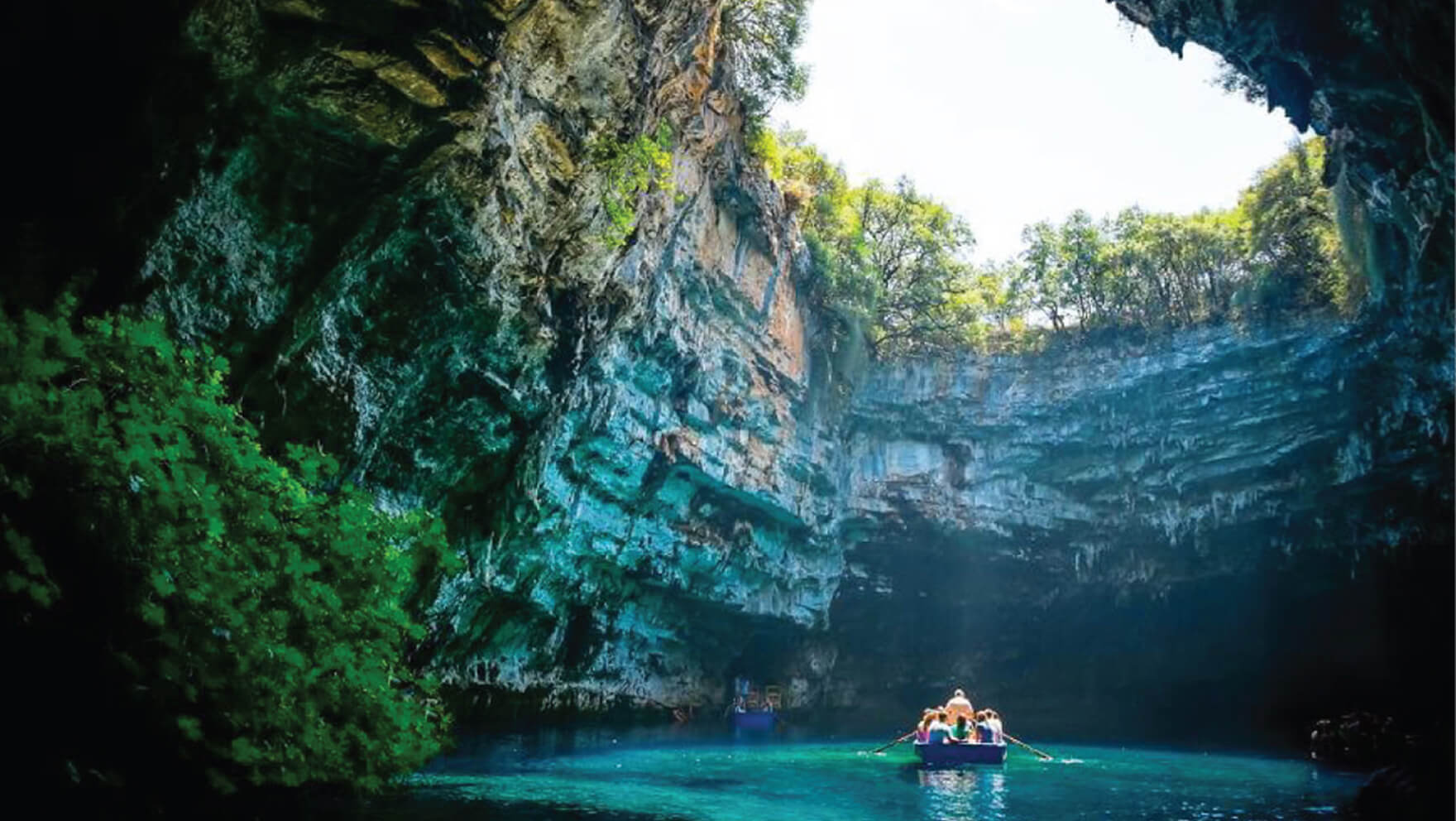
Begin your cycling journey along Lap An Lagoon from Lang Co Station and dive into the authentic countryside of Hue. This stunning route leads you through a world where mountains, calm waters, and local life come together in a landscape known as the “small bay within the mountains.”
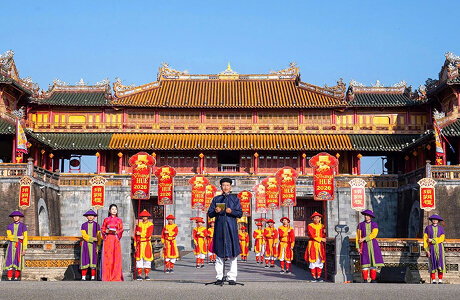
Lap An Lagoon Fisherman Experience
Set off on a local wooden boat to explore the quiet beauty of Lap An Lagoon in Lang Co. Your first stop is a fisherman’s hut, a simple shelter standing by the water, where life follows the tide. Here, farmers welcome you to join them in their daily work such as casting nets, lifting traps, and gathering the morning’s catch as they share stories of growing up on the lagoon.
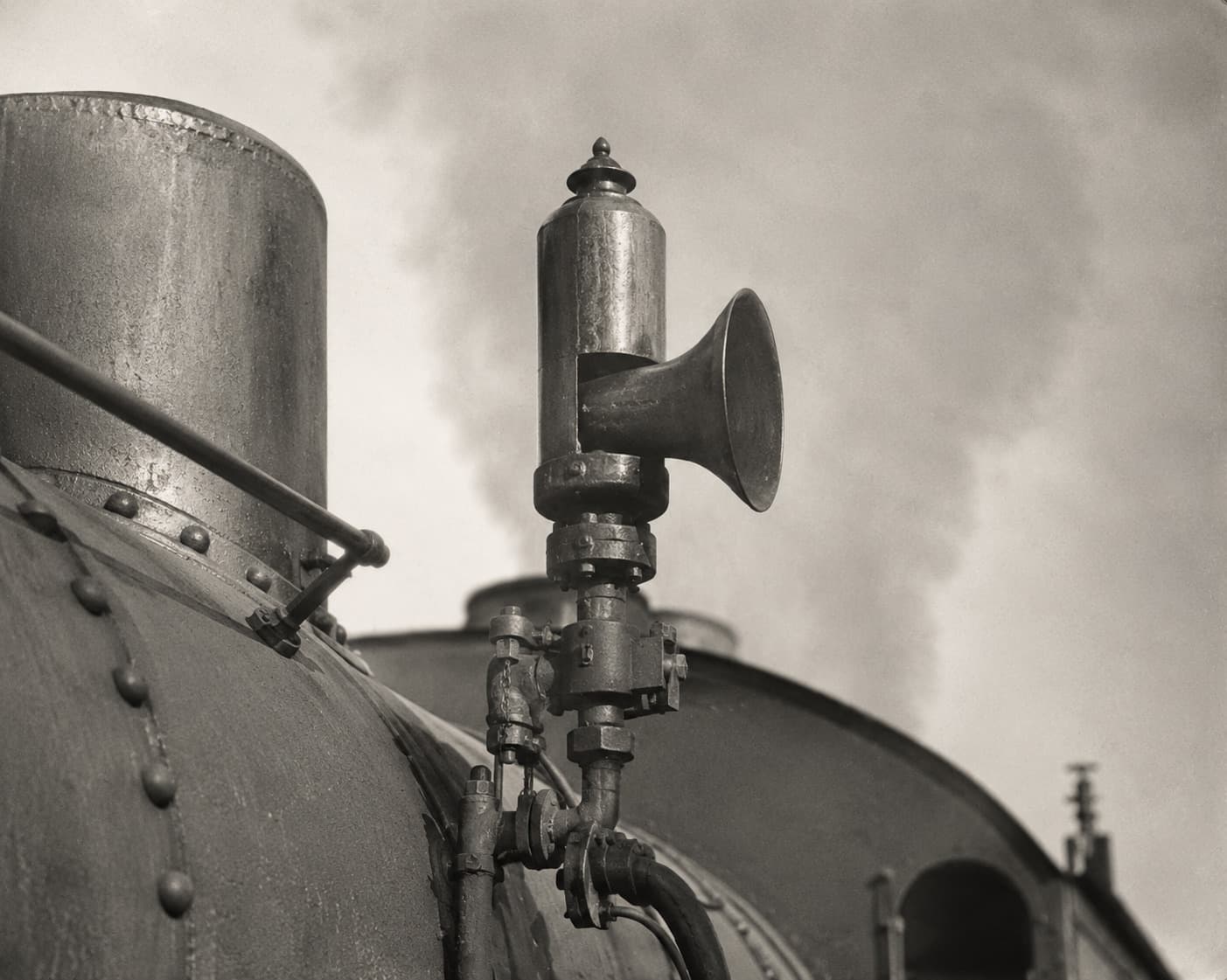
When a Whistle Was More Than Just a Sound…
In the golden age of railways, before radios and GPS, the whistle was the only way a train spoke to the world.
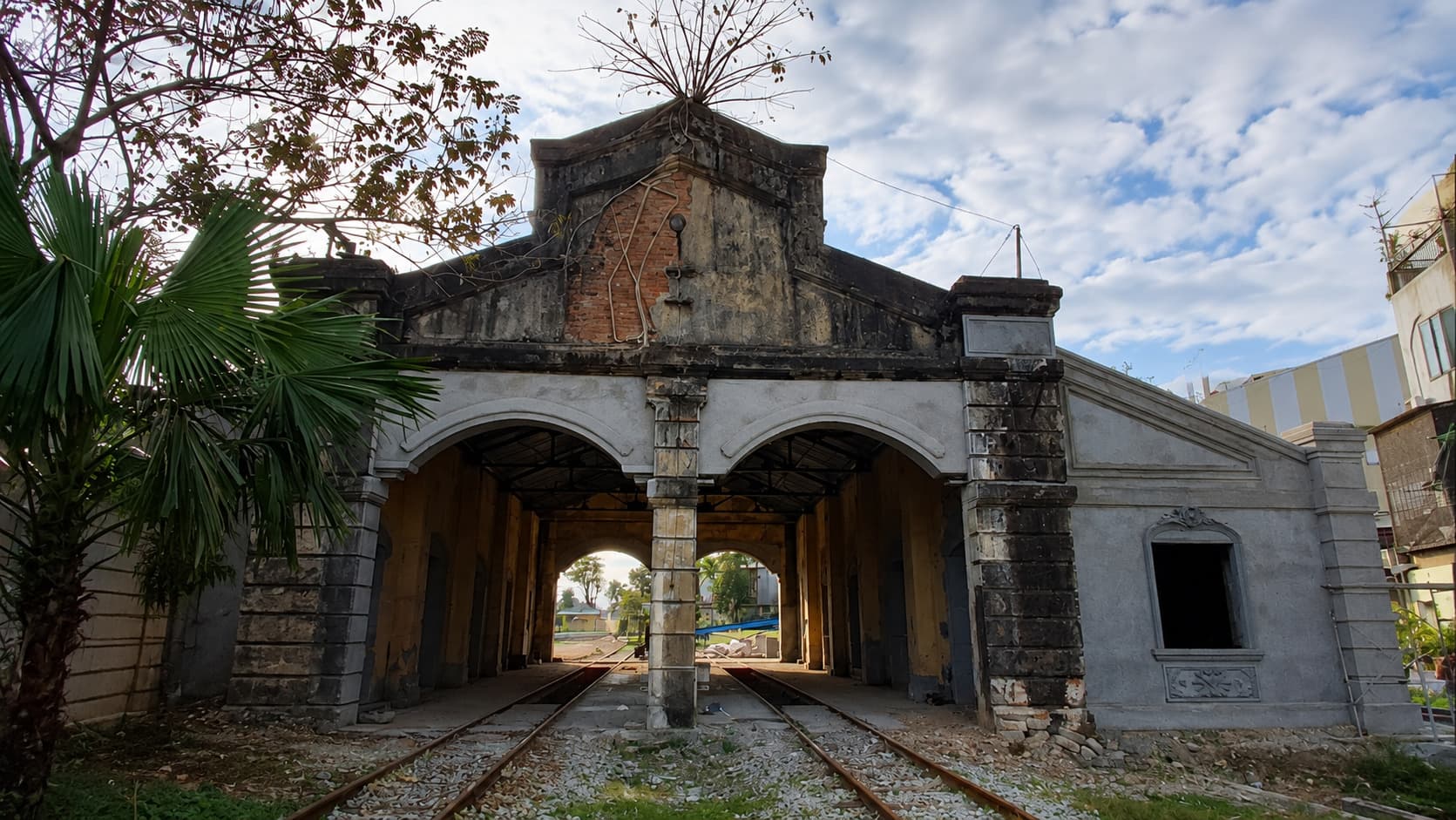
The Journey to Restore Hue Station: Awakening a Historical Crossroad
Restoring a heritage station is not simply a matter of concrete and steel. It is a careful balance between building modern infrastructure and fully preserving the spirit of Indochine architecture.
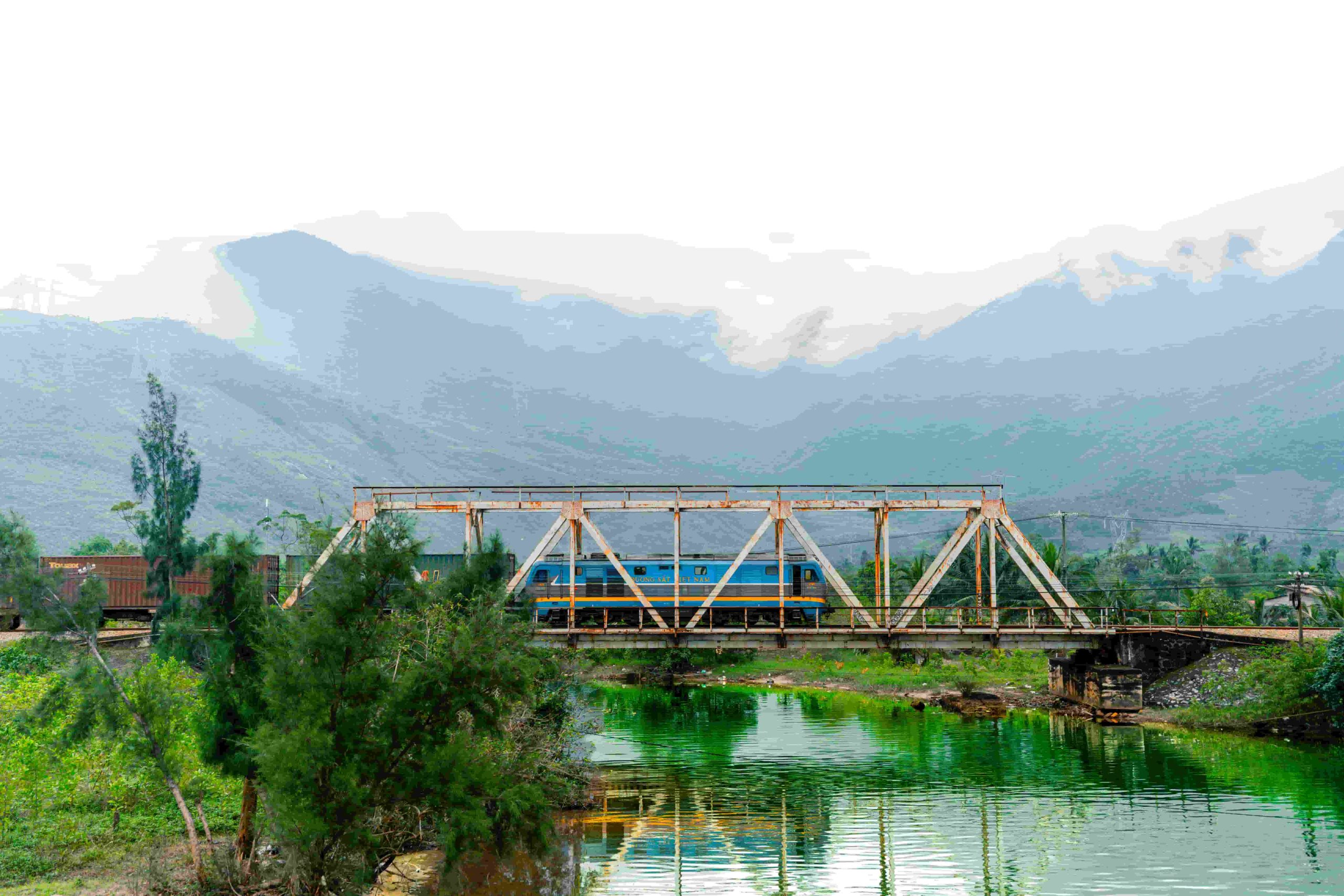
The Hue – Danang Railway: Conquering the Pass of Hai Van Gate
Before 1906, the Hai Van Pass stood as a formidable natural fortress, separating the quiet Imperial Capital of Hue from the bustling port of Tourane (Da Nang). Trade and travel relied mainly on rugged mountain paths or risky sea voyages.
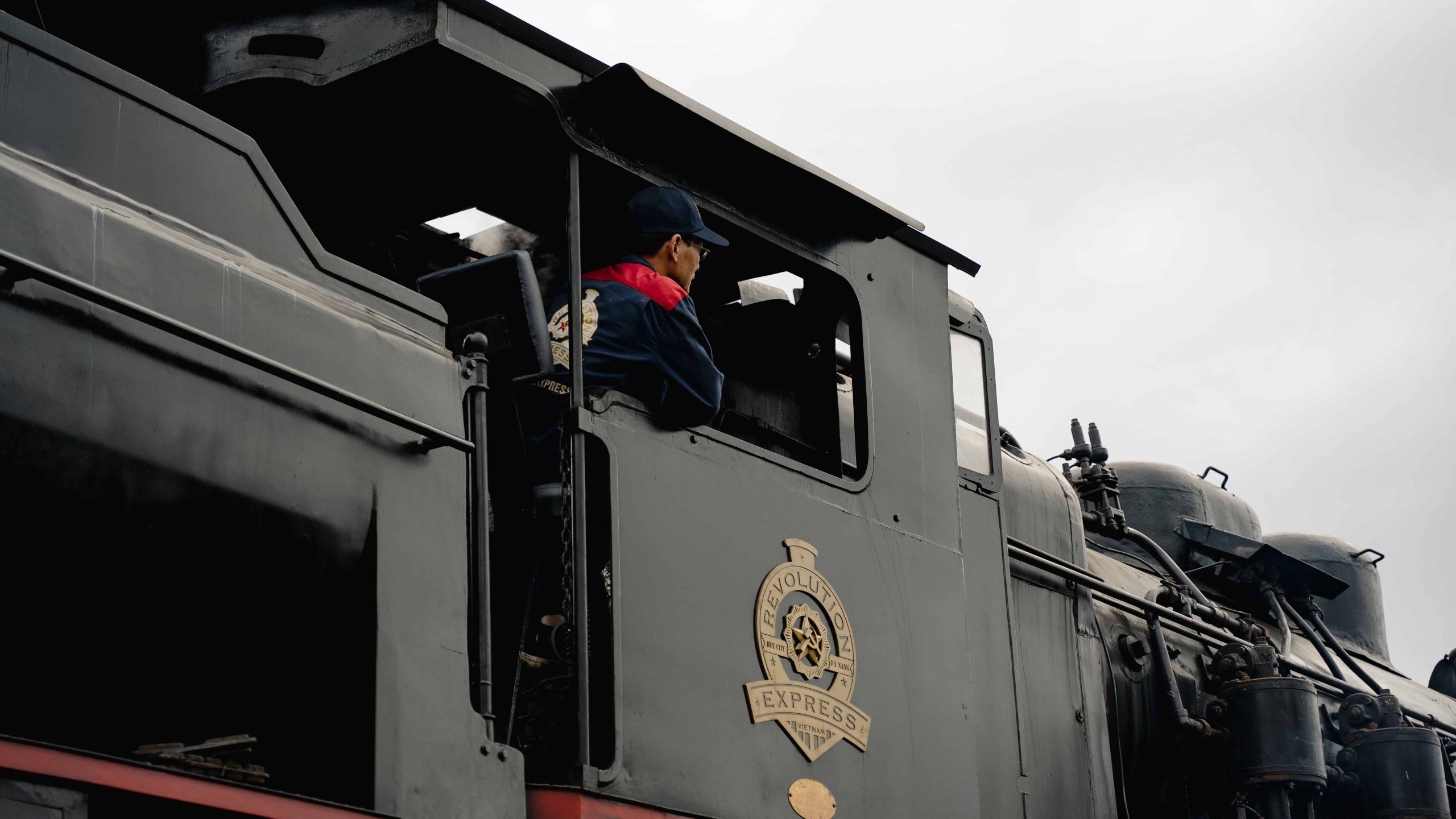
Started from an “Impossible” Dream
When the idea of Revolution Express was first pitched, many shook their heads. How could one revive giant machines that had been sleeping for decades? How could they operate in the 21st century?